Frank Clay
Frank Clay
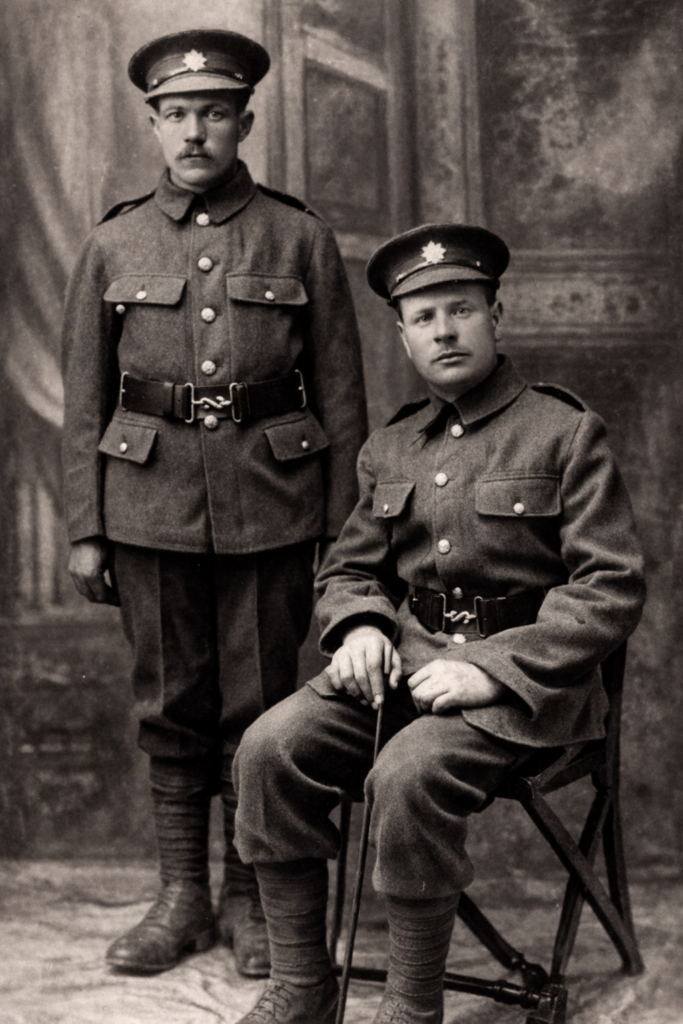
Frank Clay was born in December 1884 at Glidden in Hambledon, the son of George and Keziah Clay. He grew up in a large rural family in the parish, alongside his brother Frederick, with whom he would later be commemorated on the Hambledon War Memorial. Like many young men from the village he eventually moved toward Portsmouth for work while retaining close ties to his home community.
By 1911 he was living at 105 St Vincent Street, Southsea, where he was head of his household and employed as a brewer’s drayman. The job was heavy manual work delivering barrels and supplies, requiring strength and reliability, and reflects the steady working life he had established before the war. He was married to Ada May Clay and had settled into civilian life when the conflict intervened.
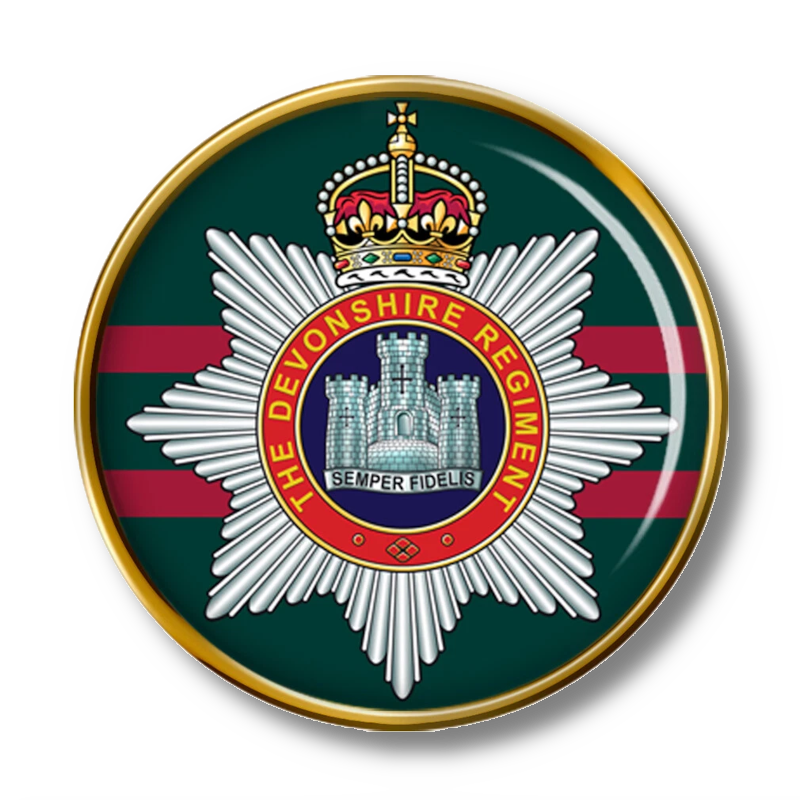
He enlisted in June 1916 and first served as a Private in the 1st Battalion of the Devonshire Regiment. He was later transferred to the 9th Battalion, where he became a Lance Corporal and went to France in November 1916. By this stage the war had become a prolonged struggle of trench warfare, artillery bombardment and repeated assaults across shattered ground.
During his service he fought in major operations around Bapaume, Messines and Ypres. While serving at the front he performed an act of exceptional bravery and was awarded the Military Medal for conspicuous gallantry after capturing seventeen enemy soldiers single handed. Such an action required initiative and composure under fire and shows he had become a trusted and experienced soldier. He also qualified for the British War Medal and Victory Medal.
In October 1917 he was serving in the Ypres Salient during the Third Battle of Ypres, the Passchendaele campaign fought in deep mud and constant shellfire. On 26th October 1917, during heavy fighting for the ridge, he was reported missing after an engagement and was later presumed killed in action at the age of thirty two.
He has no known grave and is commemorated on the Tyne Cot Memorial near Zonnebeke in Belgium, which records those who died in the Ypres sector after May 1917 whose bodies were never recovered from the battlefield.
Frank Clay’s story reflects that of many men from rural Hampshire who built working lives in nearby towns before answering the call to service. A labourer, husband and brother, he became an experienced front line soldier whose bravery was officially recognised. His memory, cherished with pride by his family, is also preserved in Hambledon alongside that of his brother and the other men of the village who did not return.