Arthur Edmund Parvin
Arthur Edmund Parvin
Arthur Edmund Parvin was born in Hambledon on 30th April 1880, the son of William and Catherine Parvin of Green Lane. He grew up in the village in a typical agricultural household, his father working as a labourer, and was baptised in the parish church on 29th June 1880. Like many boys from rural families he sought opportunity beyond farm work and entered naval service while still a teenager, enlisting in the Royal Navy on 1st December 1898.
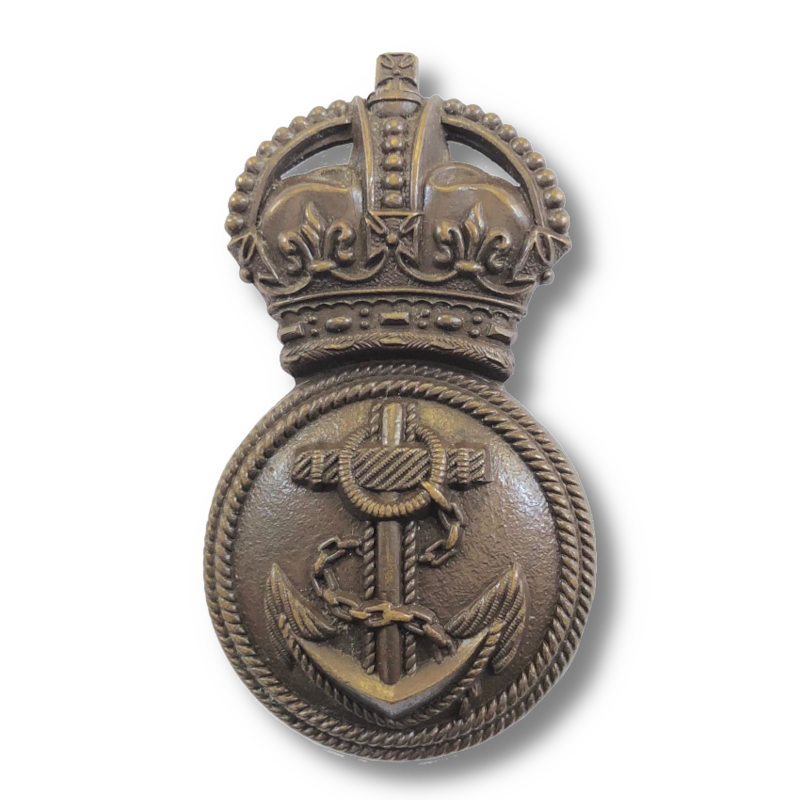
He trained as a stoker, one of the engine-room ratings responsible for maintaining steam power in Britain’s warships. The work was physically demanding and carried out in extreme heat, feeding coal into furnaces and maintaining boilers deep below decks. Over the years he served in a wide range of ships and shore establishments, gaining long experience at sea and abroad as part of the regular navy in the years before the First World War. By 1911 he was still serving, recorded living in Harwich among other naval stokers while attached to seagoing ships.
At the outbreak of war he was serving as a Petty Officer Stoker aboard HMS Bulwark, a pre-dreadnought battleship employed in the defence of the Thames estuary and the important naval anchorage at Sheerness. On the morning of Thursday 26th November 1914 the ship was taking on ammunition when a catastrophic internal explosion tore the vessel apart. She sank almost instantly with the loss of 738 officers and men. Arthur Edmund Parvin was thirty-six years old.
With no grave but the sea, he is commemorated on the Portsmouth Naval Memorial on Southsea Common, and also by a plaque in Hambledon Church. His death came in the opening months of the war, one of the earliest naval disasters of the conflict, and his name stands among those from the village who lost their lives long before the war’s outcome was certain.