1793 – American War of Independence Ends
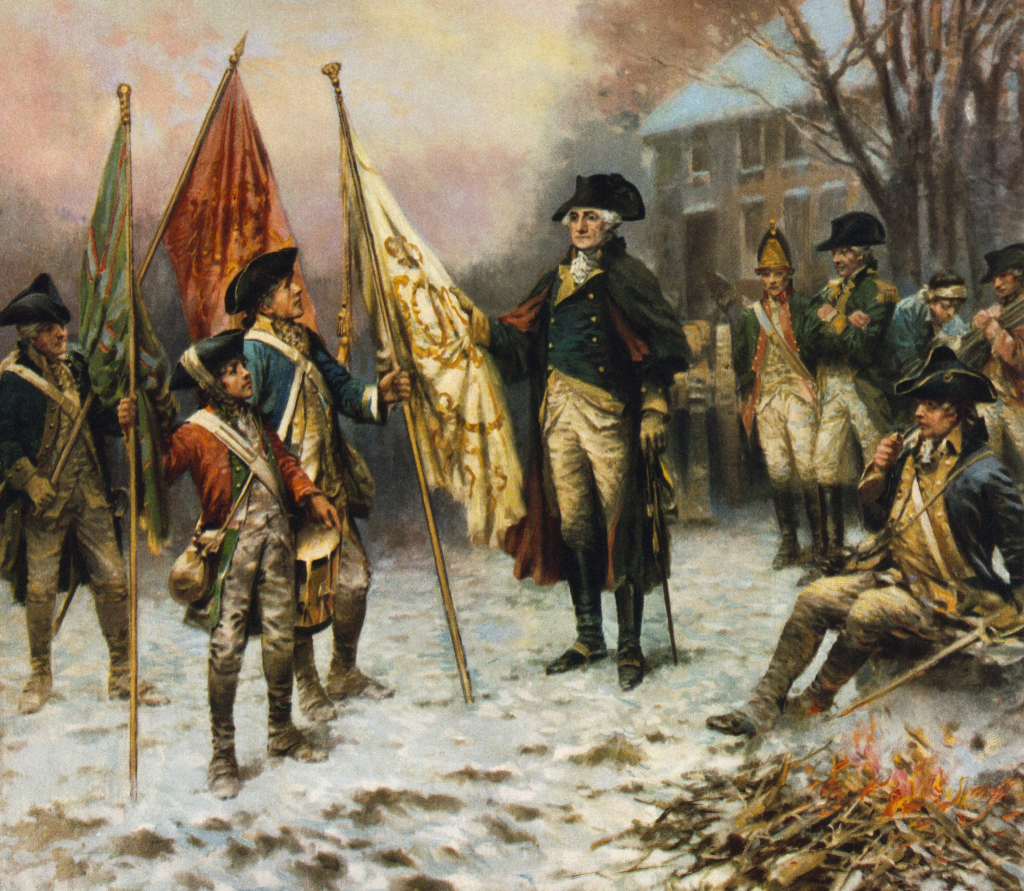
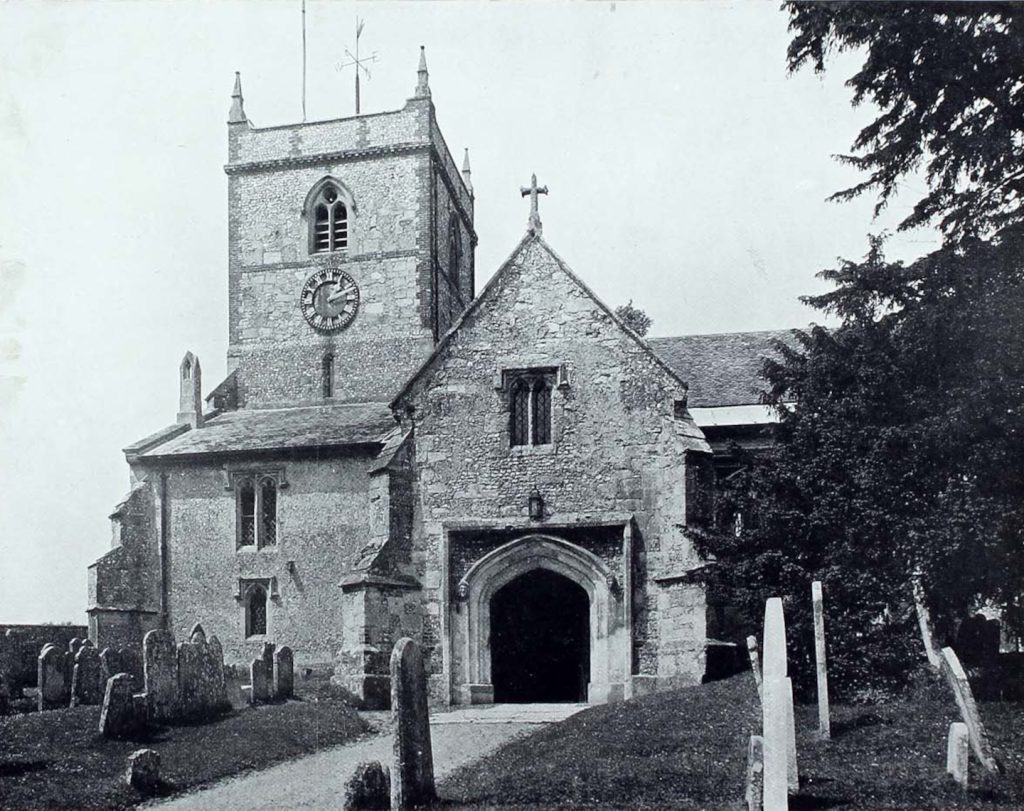
September 3rd, 1783, and the American War of Independence concluded with Great Britain acknowledging defeat, as the thirteen colonies formed the nucleus of what would become the United States of America. This seismic shift in global power threatened the long-standing status quo of monarchical rule, and while the implications for a rural village like Hambledon might seem indirect, the reality was quite different. The newly independent America had already strained Britain’s naval resources, and the Republican stirrings in France were beginning to cause significant unease along the south coast of England. For Portsmouth and its direct hinterland, including the Meon Valley, the threat of invasion and the demands of a mobilized fleet were constant pressures. Many men from Hambledon would have been intimately involved in the frantic operations of the Royal Naval Dockyard in Portsmouth, while local seamen were scattered across the globe’s oceans defending British interests.
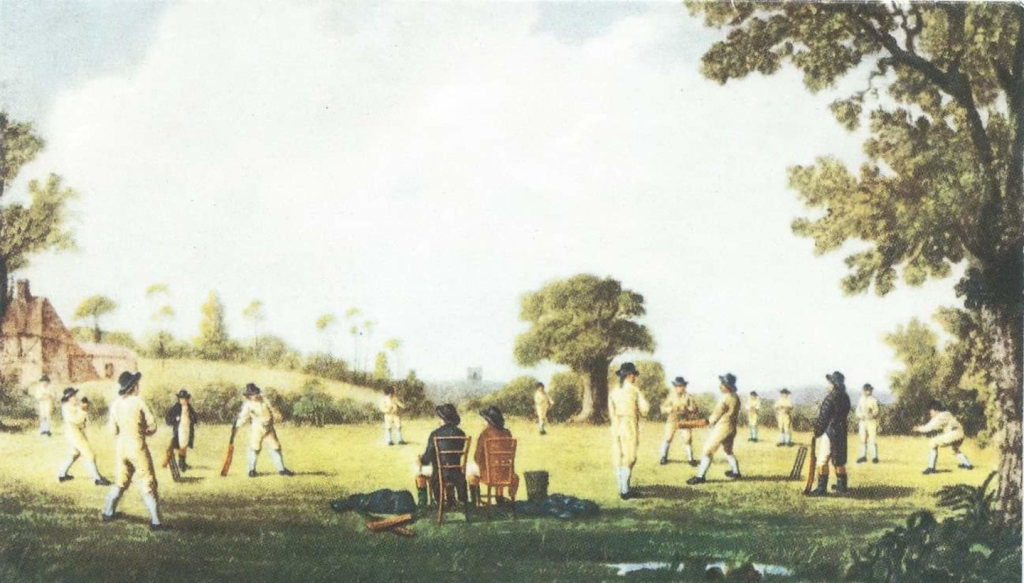
Despite these global upheavals and the military tensions simmering just down the road in the Solent, Hambledon’s internal focus remained famously diverted by the “serious business” of cricket. During this pivotal era, the village was the undisputed epicenter of the sport; the Hambledon Club, based at Broadhalfpenny Down, was at the height of its influence, effectively acting as the custodian of the game’s laws and spirit. While the world’s borders were being redrawn, the patrons and players at the Bat and Ball Inn were more concerned with the mastery of the underarm delivery and the development of the straight bat. For the residents of Hambledon, the roar of the crowd on the Down likely carried more immediate weight than the distant echoes of revolution, cementing the village’s reputation as a place where local tradition and sporting excellence could hold their own against the tides of international history.