Harry George Earwaker
Harry George Earwaker
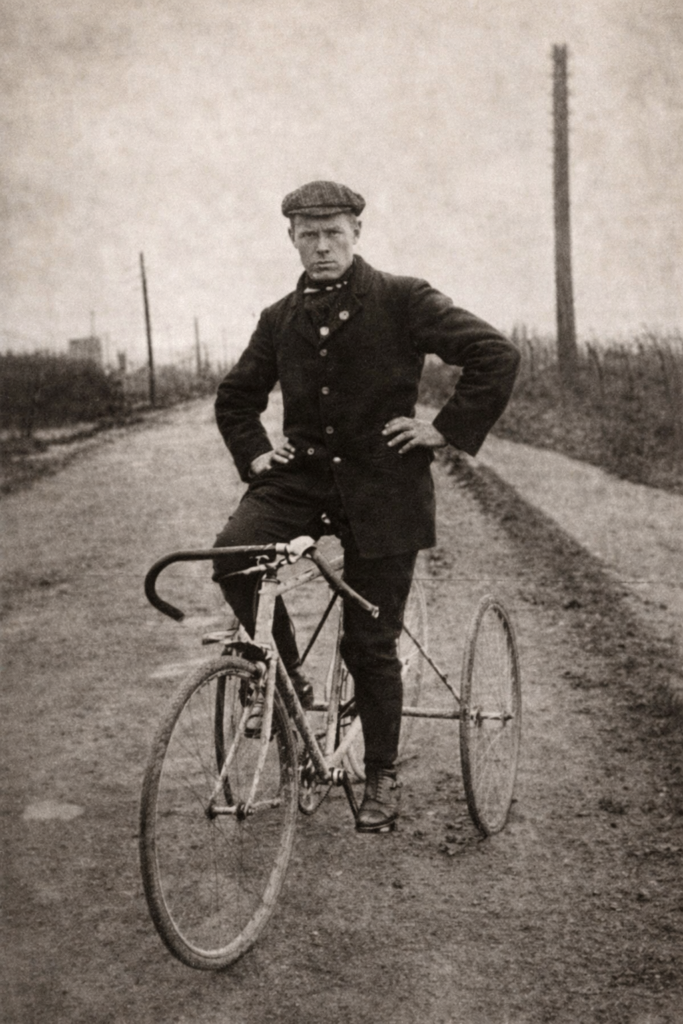
Harry George Earwaker was born on 19th January 1889 in Hambledon, the son of Benjamin and Esther Earwaker. He grew up in West Street within the close rural community that later saw many of its young men leave for the war. Like others from the village, his life combined agricultural roots with later movement toward towns and new trades.
As a teenager he had an early connection with the army before the war. On 4th April 1905 he entered the training barracks at Portsmouth as a House Boy. This was not full enlistment but a junior support role attached to the barrack staff. Boys in this position carried out domestic and orderly duties such as cleaning rooms, assisting with equipment and running messages while living under military discipline. He remained there until 5th December 1905, gaining familiarity with army routine long before his later wartime service.
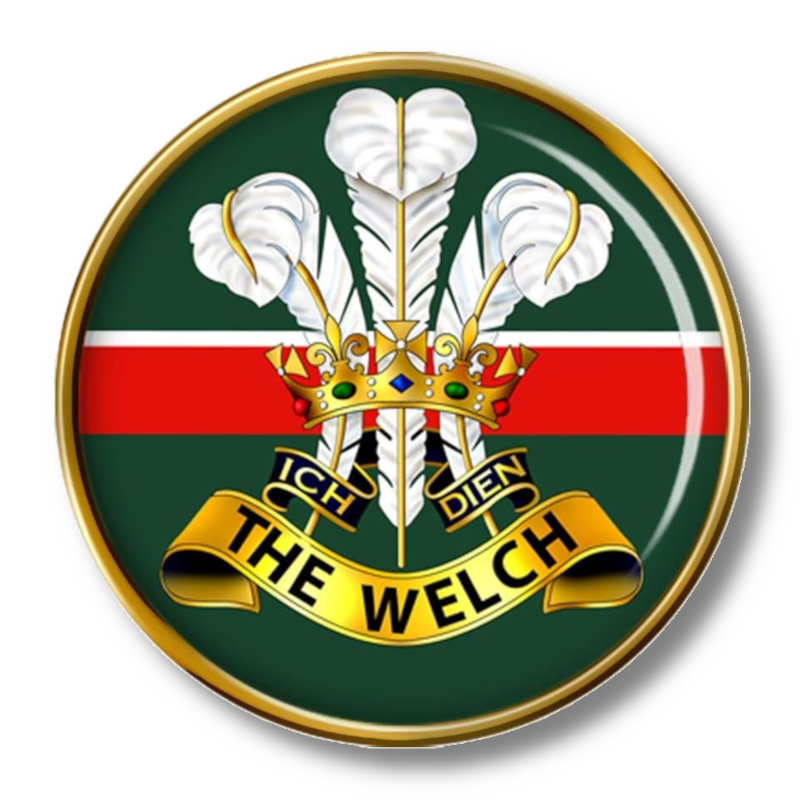
By 1911 he had moved to Croydon where he worked as a baker’s assistant. When war broke out he enlisted and later served with the Queen’s Royal West Surrey Regiment before transferring to the 14th Battalion of the Welsh Regiment, reaching the rank of Corporal. He served in the Gallipoli campaign during 1915, enduring the harsh conditions of heat, disease and heavy fighting that marked the failed attempt to force the Dardanelles. After the evacuation of the peninsula in early 1916 he returned home while still a serving soldier. During this period, in June 1916, he married Eleanor Marie Bottley at Brighton and the couple later lived at Ivy Cottage, Godstone in Surrey.
He was subsequently sent to the Western Front and in 1917 was serving in the Ypres Salient during the Third Battle of Ypres, known as Passchendaele. The fighting was marked by constant shellfire and waterlogged ground that turned the battlefield into deep mud. On 5th August 1917, during the early stages of the battle, he was killed in action at the age of twenty eight.
He has no known grave and is commemorated on the Menin Gate Memorial at Ypres, which records the names of soldiers lost in the salient whose bodies were never recovered.
Harry George Earwaker’s story reflects the journey of many village men whose lives extended beyond Hambledon but whose origins remained there. A tradesman, husband and experienced soldier who had already survived Gallipoli, he was lost in the mud of Flanders, and his name remains among those remembered by his home parish.