Leonard George Doughty
Leonard George Doughty
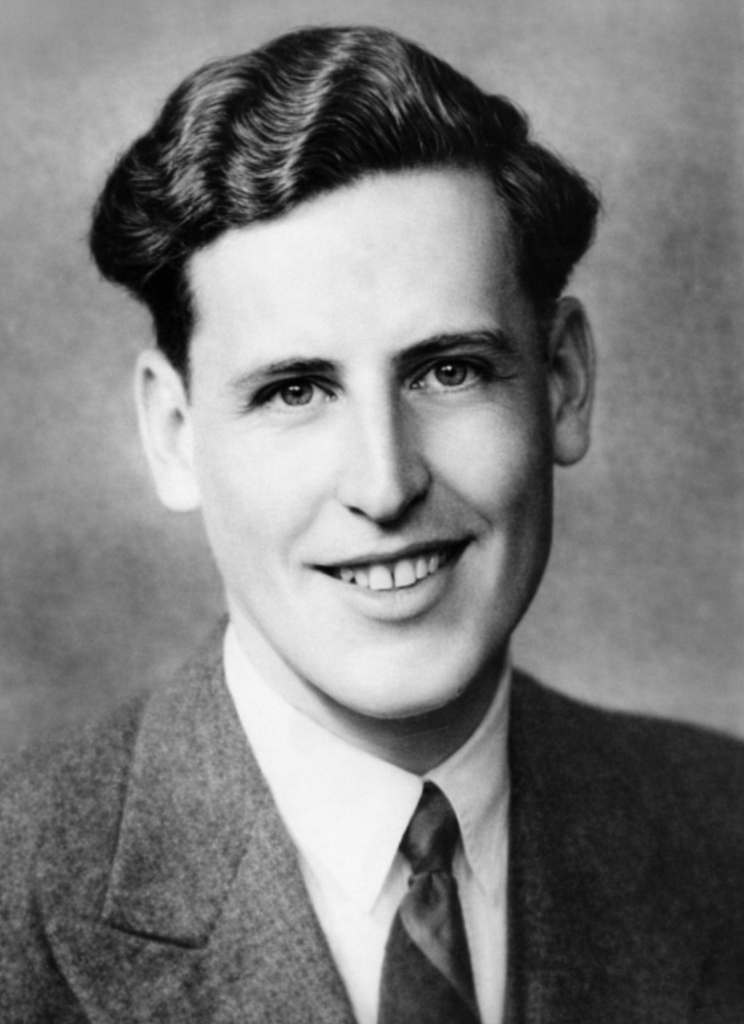
Leonard George Doughty was born in Hambledon on 6th September 1913, the elder son of Edward and Sarah Doughty of The Stores in the High Street, the village shop run by the family. He grew up at the centre of village life and by 1939 was working as a grocery salesman while also serving locally in the Royal Observer Corps alongside his father, helping to track and identify aircraft during the early years of the war.
He joined the Royal Air Force on 7th September 1940 and trained as a wireless operator and air gunner, a role requiring both technical skill and considerable courage. Air gunners operated in exposed positions within the aircraft, responsible for communications and defence against enemy fighters, particularly during night and maritime patrol operations.
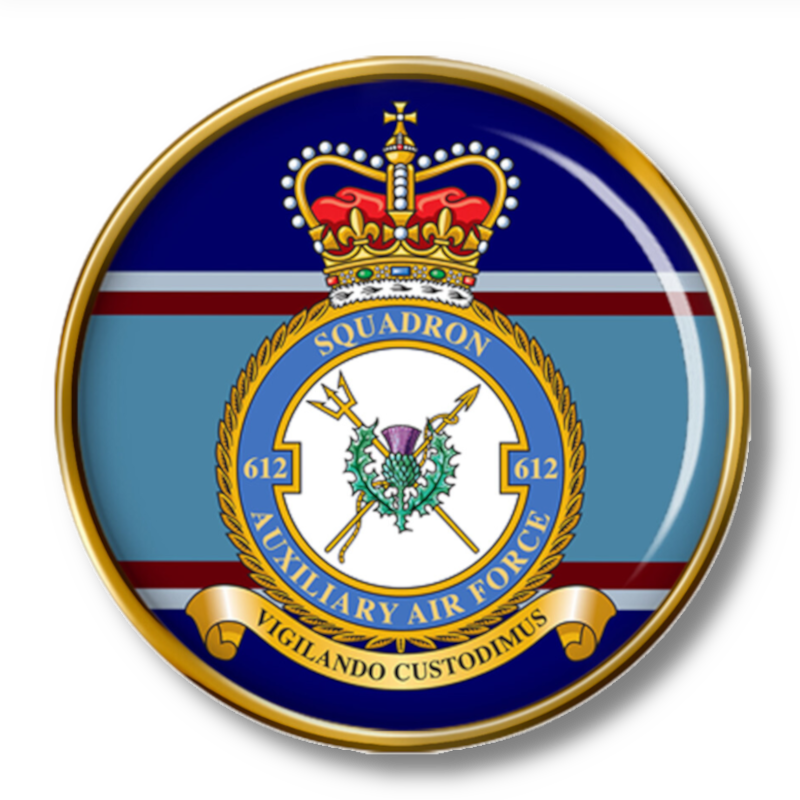
By 1943 he was serving with 612 Squadron of Coastal Command based at RAF Chivenor in North Devon. Coastal Command’s task was to protect shipping and hunt German U-boats in the Atlantic approaches, long and hazardous flights often carried out in darkness and poor weather far from land. On the night of 26th-27th September 1943 Sergeant Doughty was aboard a Vickers Wellington Mk XIV sent on an anti-submarine patrol over the Bay of Biscay. The aircraft failed to return and was lost without trace, probably south of the Scilly Isles. He was thirty years old.
With no known grave he is commemorated on the Runnymede Memorial overlooking the Thames, which records airmen lost in operations over the sea. His loss was felt deeply in Hambledon, coming little more than a year after the death of his younger brother Edward Alfred Doughty, a trainee pilot killed in a flying accident in Canada during training.
Leonard Doughty’s service illustrates the dangerous and often unseen work of Coastal Command, whose crews flew long solitary patrols over open ocean in the constant effort to keep the Atlantic lifeline to Britain open.